
I Accidentally Drowned My Favourite Fern and It Taught Me a Vital Watering Hack
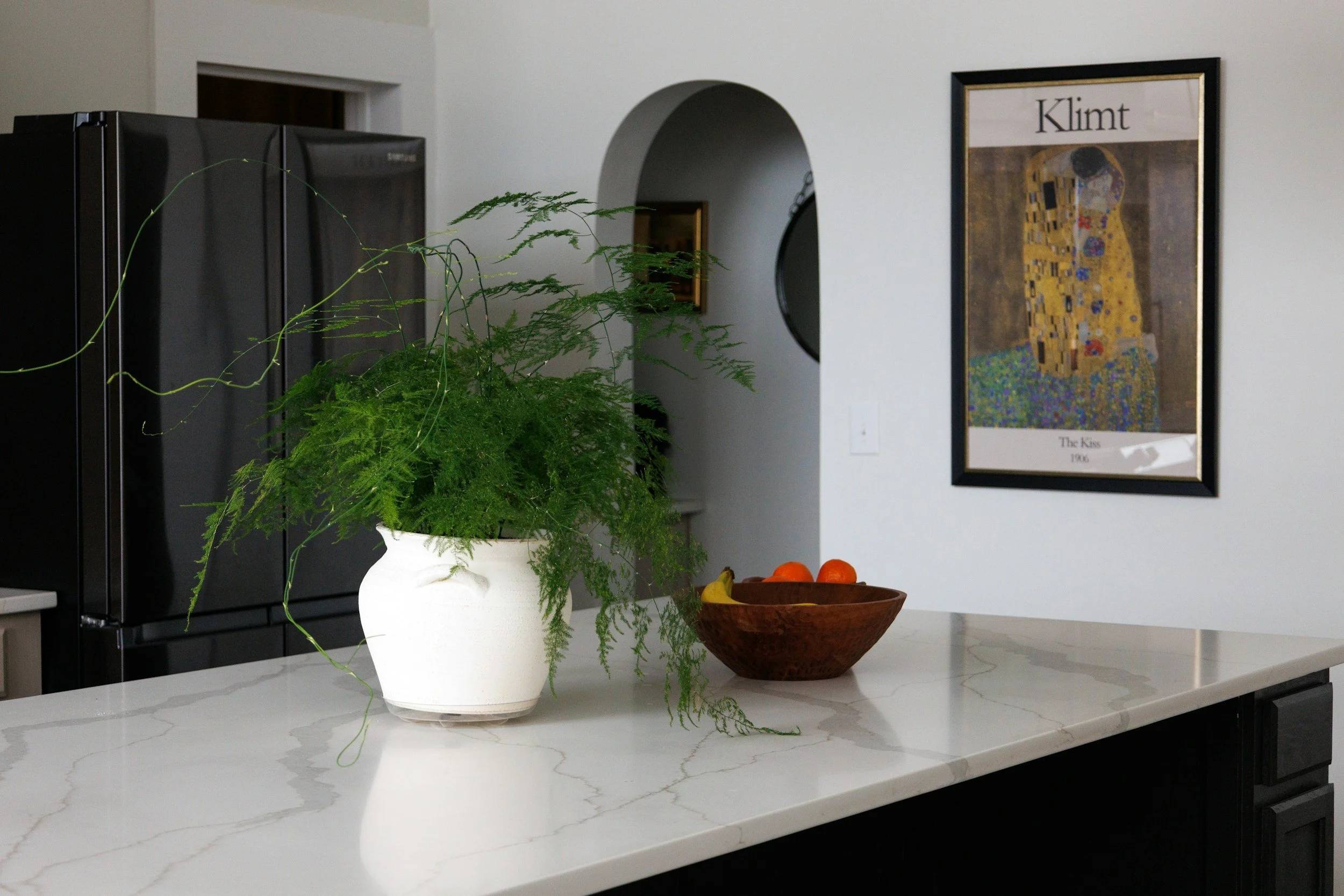
Image: A fern on a kitchen counter.
There is a very specific kind of guilt that comes with accidentally killing a plant you genuinely loved.
For me, it was a massive, glorious Boston Fern. I bought it at the start of summer to hang on the patio. I pictured it gracefully trailing down, making the whole seating area look like a lush, tropical oasis while the dogs lounged underneath.
I was absolutely determined to keep this one alive. I found the perfect shady spot and made a mental note to keep the soil perfectly moist.
The problem was, my husband also noticed how much I loved that fern.
One Tuesday morning, I gave it a generous soaking. What I didn't know was that he had already watered it the night before while I was getting ready for bed.
By Thursday, the leaves were looking a bit yellow. I panicked, assumed it was drying out in the summer breeze, and watered it again. Over the weekend, my husband noticed it drooping, assumed I’d forgotten about it, and gave it another drenching.
We essentially drowned the poor thing in a chaotic, uncoordinated attempt to love it. Within two weeks, my beautiful, lush fern was a soggy, rotting mess.
When I finally pulled it out of the pot to inspect the damage, the roots were completely waterlogged. I hadn't under-cared for it; I had literally killed it with kindness.
Honestly, this is the classic household trap. It’s the "Did you water the plants, or did I?" dilemma.
When you share a home or a garden with someone else, trying to manage plant care without a system is a recipe for disaster. We all have the best intentions, but without a clear way to track who did what, we end up either completely ignoring our plants or drowning them.
It wastes the money we spent on beautiful greenery, ruins our garden fairy dreams, and leaves us feeling like complete failures every time we have to carry another dead plant to the compost bin.
Why Is Keeping Track of Plant Care So Difficult?
Let's talk about the absolute mental gymnastics required to keep a house full of plants alive, especially when you are sharing the responsibility with someone else.
You buy a gorgeous, expensive fiddle leaf fig or a beautiful hanging basket. You read the little plastic tag that comes with it. It usually says something incredibly vague like, "Water moderately, allow top two inches of soil to dry out, likes humidity but deeply resents drafts."
It is basically a botanical riddle.
If you are managing the garden by yourself, you are relying entirely on your own crowded memory to remember the last time you gave it a drink. Was it Tuesday? Or was that the week before?
If you share a house, it turns into a bizarre, high-stakes game of chicken.
You walk past a slightly drooping peace lily in the hallway and think to yourself, "Surely he'll water that today." He walks past it an hour later and thinks, "She was just looking at that, she must have watered it. Better leave it alone." Two weeks later, the plant is completely crispy, and you are having a mild argument over a dead pile of leaves.
The real frustration here isn't just a bruised ego or a lack of a "green thumb." It is the money you are literally throwing straight into the bin.
Houseplants, premium patio planters, and vegetable seedlings are not cheap. Tossing a £40 hanging basket onto the compost heap because of a simple miscommunication is absolutely infuriating. You might as well just set your cash on fire.
Then, there is the lingering guilt.
You genuinely want to be the kind of person with a thriving, lush home. You see those perfectly curated, jungle-like living rooms online and wonder why your own living room is starting to look like a plant hospice.
We try to fix the chaos with those little plastic moisture meters that inevitably get lost in a drawer. Or we try to stick a rigid watering schedule on the kitchen fridge.
But let's be realistic: life doesn't stick to a schedule. Sometimes the spring weather is incredibly hot and the patio pots need a daily soaking. Sometimes it rains for a week and they need nothing at all.
A piece of paper on the fridge doesn't help you when you are standing in the middle of the garden with a heavy watering can in your hand, trying to remember if the tomatoes got a drink yesterday.
The mental load of managing a household is already massive. Trying to mentally catalogue the hydration levels of twelve different plants is exhausting. We end up telling ourselves we just aren't "plant people," when the reality is, we simply don't have a reliable system to communicate with each other.
How Can You Stop Accidentally Overwatering Your Plants?
I realised I desperately needed a system that catered to our actual lives. I didn't want a complex app, and I definitely wasn't about to stick a chore chart on the fridge.
That is exactly when I started using a shared digital dashboard for our plants, and it completely changed the game.
Here is how I fixed our watering miscommunications in less time than it takes to make a brew. I took a discreet, waterproof Fabulabel QR sticker and stuck it neatly on the back of the fern's new planter.
Then, I simply scanned the label with my phone to open up a custom digital dashboard.
Now, whenever I water the plant, I just tap a quick update: Watered on Tuesday morning.
The magic happens when my husband walks past later with the watering can. Before he accidentally drowns the poor fern, he just scans the pot with his phone. The dashboard instantly tells him I already watered it. He puts the can down, the plant lives to see another week, and we avoid a massive argument over dead leaves.
What Are the Real-Life Benefits of a Digital Plant Dashboard?
Ending the Double-Watering: No more guessing games. A quick scan tells anyone in the house exactly when the plant last had a drink, instantly stopping the cycle of accidental drowning.
Vacation Proofing: If we go away for a long weekend, the neighbour checking in can just scan the pots to see exactly what needs watering and what to leave alone. It is absolutely brilliant.
Tracking Feeding Schedules: According to experts at the Royal Horticultural Society, fertilising at the right time is crucial for healthy growth. I use the same dashboard to log when I last gave them liquid feed, so I never accidentally burn the roots with too much fertiliser.
This simple shift isn't just for the patio. It is the exact same method I use when [managing my kitchen pantry inventory / Insert Internal Link]—it keeps everyone in the house on the exact same page without anyone having to nag.
Ready to Stop Killing Your Plants?
Keeping a lush, green home shouldn't require a botanical degree or a complicated chore chart. You just need a system that remembers the details so you don't have to.
If you are ready to reclaim your sanity and stop wasting money on replacement ferns, you can grab a Fabulabel Smart Label Pack and set up your first shared dashboard today. Be sure to use the code SAVE10 at checkout for 10% off your order!
Want more simple, realistic secrets to a healthier, happier home? Sign up for The Organised Inbox newsletter below, and I'll send my absolute favourite lifestyle tips straight to you every week.
