
This 10-Minute Hack Will Stop You From Mixing Up Your Spring Seedlings
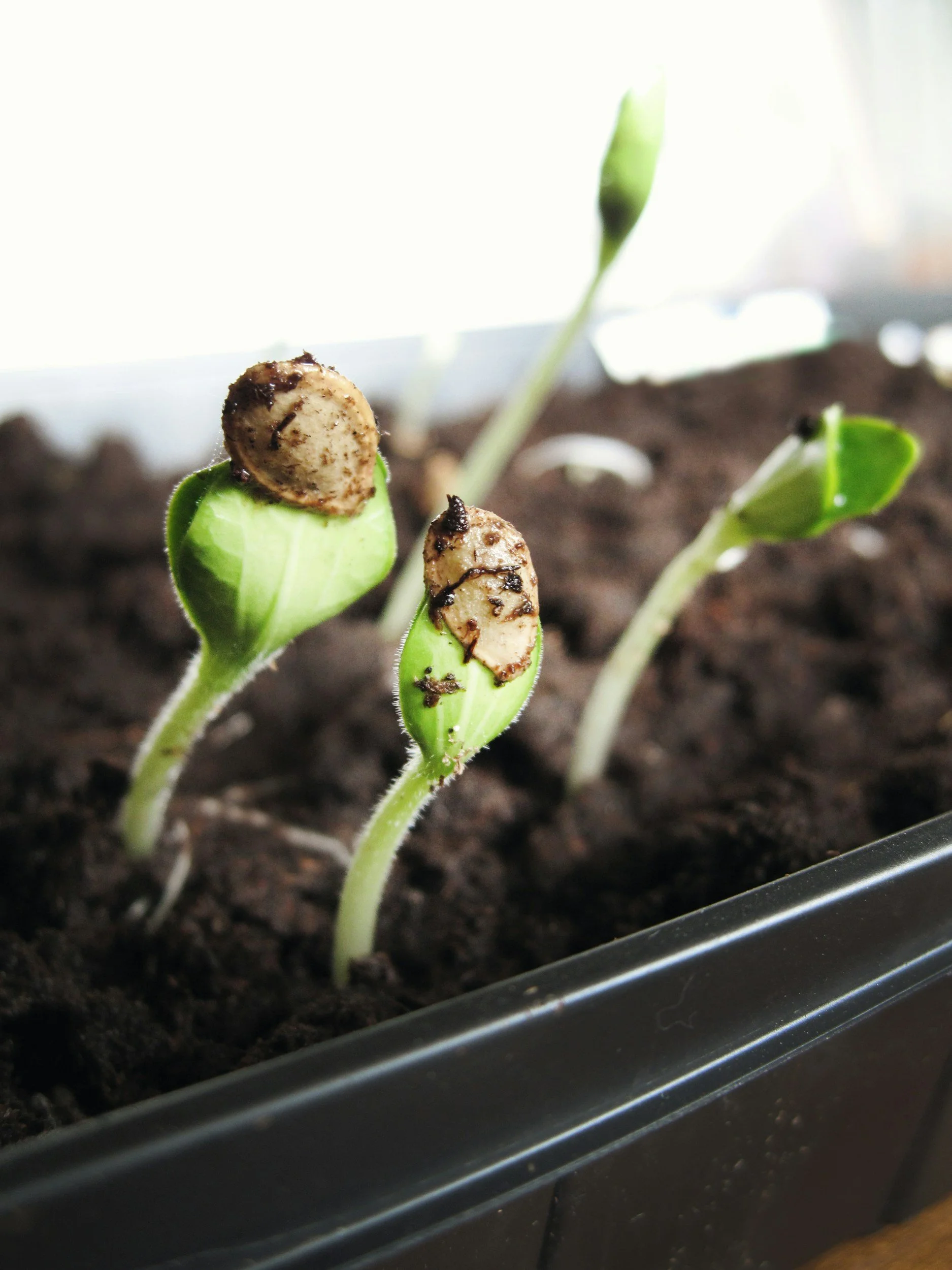
Hannah’s seedlings growing in a black tray
It happens every single spring. My dining room table transforms into a makeshift greenhouse, covered in those little black plastic seed-starting trays.
I spend a weekend carefully pressing tiny seeds into the soil, dreaming of the massive summer salads and homemade salsas in my future. For the first week, it’s entirely thrilling.
Then, the little green shoots finally appear.
Here is a humbling truth that every gardener eventually learns: when they first sprout, almost all seedlings look exactly identical. Two tiny green leaves. That is it. A prized heirloom beefsteak tomato looks completely indistinguishable from a tiny cherry tomato. A sweet bell pepper looks identical to a fiery jalapeño.
Last spring, I decided to grow a dedicated "salsa garden" on the patio. I carefully planted rows of sweet peppers and hot chilies in my indoor trays. I felt incredibly organized. I even used those cute little wooden popsicle sticks to label each row.
Then, life happened. I watered the trays, and the ink on the wooden sticks immediately blurred into unreadable smudges. A few days later, one of the dogs excitedly bumped the table while trying to look out the window, knocking half the sticks out onto the floor.
I scooped them up, guessed where they belonged, and confidently told myself I would definitely remember which side of the tray was which.
Fast forward to mid-summer. I was hosting a family barbecue, and I proudly plucked a handful of what I thought were sweet mini peppers for my husband to snack on while he manned the grill.
One bite in, his eyes started watering. He started coughing. He had just eaten a raw, incredibly spicy habanero.
I hadn't grown a beautifully curated salsa garden. I had accidentally created a dangerous game of botanical roulette, all because my flimsy labeling system completely failed me.
When you mix up your seedlings, you aren't just making a silly mistake. You risk planting a massive, sprawling squash right next to delicate herbs that will get entirely smothered. You risk putting shade-loving plants in direct sun because you thought they were something else.
You pour weeks of watering, waiting, and hoping into these tiny plants, only to realize months later that you have absolutely no idea what is actually growing in your garden.
Why Do Traditional Garden Labels Always Fail?
Let's talk about the traditional ways we try to keep track of these tiny green babies. We all start the season with the absolute best intentions.
We buy a bundle of those aesthetic wooden popsicle sticks. We carefully write out "Beefsteak Tomato" in our neatest handwriting using a so-called permanent marker. We stick them proudly into the fresh compost.
It looks like a glossy gardening magazine for exactly three days.
Then, you water them. The water hits the soil, splashes up, and that "permanent" ink instantly bleeds into a blurry, grey smudge. Suddenly, "Beefsteak Tomato" looks completely identical to "Bell Pepper."
Or maybe you use those flimsy white plastic tags. They might survive the indoor watering phase, but the second you transplant your seedlings outside into the actual garden, the spring sun bleaches the ink completely invisible.
You are left staring at a blank piece of plastic, playing a high-stakes guessing game with your carefully planned raised beds.
The real frustration here isn't just a messy seedling tray. It's the deep anxiety of the "planting out" phase.
Late spring is supposed to be the most exciting time of the gardening year. You finally get to move your carefully nurtured seedlings into their permanent homes. But when your labels have failed you, that joyful weekend project turns into a stressful, confusing puzzle.
You find yourself hovering over a garden bed, terrified to plant a sprawling, aggressive squash right where you meant to put a delicate, compact bush tomato. You know that if you guess incorrectly, one plant is going to completely smother the other by July.
You've spent weeks meticulously watering these trays, rotating them in the sunlight, and keeping the dogs from knocking them over. You've invested money in seed compost, heat mats, and a whole lot of emotional energy.
To have all that hard work unravel just because a wooden stick got a bit damp? It is absolutely maddening.
We convince ourselves that we just need to try harder next year. We tell ourselves we need to buy a more expensive waterproof pen, or maybe we should start laminating our labels.
But honestly, who has the time or energy for that? We want to be outside enjoying the spring sunshine with a cold drink, not running a tiny laminating factory on the dining room table.
Traditional labels are designed for a perfect, sterile world. But real gardening is muddy, wet, and gloriously chaotic. We desperately need a system that actually survives the reality of growing things.
How Can You Stop Mixing Up Your Spring Seedlings?
I realised I desperately needed a solution that was entirely waterproof, completely foolproof, and didn't require me to have perfect handwriting.
That is exactly when I started using a digital dashboard for my seedling trays, and it completely changed the game.
Here is how I fixed my seedling mix-ups in less time than it takes to drink my morning coffee. Instead of messing about with fragile wooden sticks in wet soil, I took a single, waterproof Fabulabel QR sticker and stuck it directly onto the outside lip of my plastic seed tray.
[Image Placeholder: Close up of a black plastic seed starter tray with a waterproof Fabulabel stuck to the clean outer edge. Alt-text: A black plastic seedling tray organized with a scannable Fabulabel QR sticker on the side.]
Then, I simply scanned the label with my phone. It instantly opened up my custom digital dashboard.
I snapped a quick overhead photo of the freshly planted tray and typed a quick note: Rows 1 & 2: Jalapeños. Rows 3 & 4: Sweet Mini Peppers. That was it. No smudged ink, no lost sticks, no stress.
Now, the magic happens when it's time to plant them outside. I don't have to play a guessing game or squint at faded plastic tags. I just scan the side of the tray with my phone, and my dashboard instantly tells me exactly what I am holding.
What Are the Real-Life Benefits of a Digital Seedling Dashboard?
Waterproof Peace of Mind: Because the label is on the outside of the plastic tray, it never touches the wet compost. I can water my seedlings as much as they need without washing away my hard work.
Perfect Garden Planning: Knowing exactly what is in each tray means I can map out my raised beds perfectly. According to experts at the [Royal Horticultural Society / Insert Outbound Link], proper plant spacing is absolutely crucial for a massive summer harvest. I never have to worry about accidentally smothering my delicate herbs with a sprawling squash.
Reusing Trays Effortlessly: At the end of the season, I simply wash the plastic trays out. Next spring, I just scan the exact same label and update the dashboard with whatever new seeds I'm planting.
This simple shift isn't just for the greenhouse. It is the exact same method I use when [organising my seasonal holiday decorations / Insert Internal Link]—one label, infinite updates without ever having to peel off an old sticker.
Ready to Stop the Seedling Mix-Ups?
Spring gardening should be about getting your hands dirty and anticipating those massive summer harvests, not playing a stressful game of botanical roulette.
If you are ready to reclaim your garden planning and stop wasting weeks on mystery sprouts, you can grab a [Fabulabel Starter Pack here] and set up your first dashboard today. Be sure to use the code SAVE10 at checkout for 10% off your order!
Want more simple, realistic secrets to a healthier, happier home? Sign up for The Organised Inbox newsletter below, and I'll send my absolute favourite lifestyle tips straight to you every week.
